Understanding the Importance of Notduschen in Chemiebetrieb
In environments where hazardous chemicals are present, safety measures must be prioritized to protect workers. Emergency safety showers, known as Notduschen, serve as critical safety equipment in chemical industries. Their primary purpose is to provide immediate decontamination for personnel who may come into contact with harmful substances. Implementing effective safety protocols is essential, especially when handling chemicals that pose severe risks. When exploring options, Notdusche für Chemiebetrieb provides comprehensive insights into choosing the right equipment for safety compliance.
What Is a Notdusche and Its Purpose?
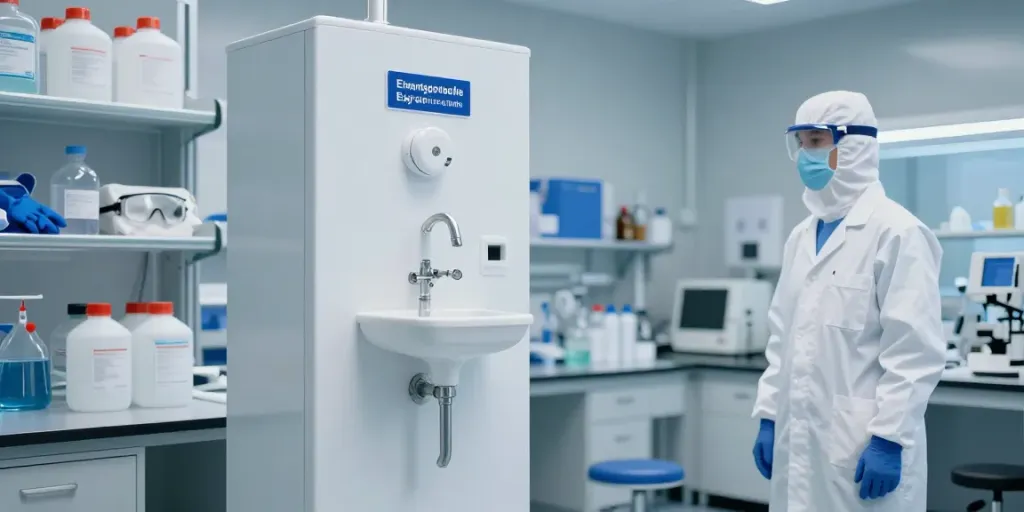
A Notdusche is an emergency shower specifically designed to rinse off hazardous substances from the skin and eyes. In chemical facilities, these showers are vital in emergency situations where quick decontamination can prevent serious injuries or health complications. They are equipped to deliver a sufficient flow of water for a set duration to ensure that contaminants are effectively washed away. Understanding the layout and accessibility of Notduschen can significantly mitigate the risk of chemical exposure in the workplace.
Regulatory Requirements for Chemiebetrieb Safety
Compliance with safety regulations is non-negotiable in a chemical environment. Various standards govern the installation and maintenance of emergency showers, including EN and ANSI regulations. These guidelines outline requirements for flow rate, accessibility, and positioning of the showers. Regular audits are crucial to ensure that these showers function correctly and meet all regulatory requirements. Failure to comply with these standards can result in severe penalties and heightened risk to employee safety.
Common Scenarios Requiring Emergency Showers
- Accidental contact with corrosive chemicals, such as acids or bases.
- Exposure to flammable substances that may ignite on the skin.
- Spills or leaks of harmful solvents that can cause serious skin irritation.
- Incidents involving toxic gases that may irritate the eyes or respiratory system.
Choosing the Right Notdusche for Your Facility
Choosing the right Notdusche involves assessing various factors to ensure that the selected model meets the specific needs of your laboratory or production facility. Considerations include the surrounding environment, types of chemicals handled, and the unique safety requirements of the workplace. Matching these criteria with the available models is essential to guarantee the safety and well-being of personnel.
Key Features of Effective Emergency Showers
Effective Notduschen should have several key features to maximize safety:
- Flow Rate: A minimum flow rate of 75.7 liters per minute is recommended to ensure thorough rinsing.
- Duration: Showers should provide a steady stream for at least 15 minutes.
- Temperature Control: Features that maintain water temperature within a safe range enhance user comfort during emergencies.
- Accessibility: Showers must be easily accessible and clearly marked for quick identification during emergencies.
Environmental Factors to Consider
The installation location for Notduschen can greatly influence their effectiveness. Factors such as climate, humidity, and the possibility of contamination must be evaluated. For instance, in extreme temperature areas, special measures need to be taken to prevent water from freezing or overheating, potentially affecting the operation of the emergency showers.
Adapting Products to Specific Chemical Hazards
Each chemical poses unique risks; therefore, Notduschen should be adapted to suit the specific hazards present in the workplace. Customized solutions might include:
- Usage of specialized materials resistant to corrosive substances.
- Installation of heated or cooled water supplies to ensure safe rinsing.
- Integration of additional sinks or drench hoses for targeted decontamination.
Maintenance of Notduschen: Best Practices
Maintenance of Notduschen is critical for ensuring their functionality during emergencies. Regular checks and servicing can prevent malfunctions and ensure compliance with safety standards. Establishing a routine maintenance schedule is vital for improving workplace safety.
Creating a Maintenance Schedule for Safety Equipment
A proactive maintenance schedule should include monthly checks to verify flow rates, inspect for corrosion, and ensure cleanliness. Documenting inspections can help identify recurrent issues and maintain compliance with regulatory requirements.
How to Perform Regular Inspections
Conducting inspections requires a systematic approach to evaluate both the physical condition of the showers and their performance. Key steps in the inspection process include:
- Verifying that the showers are unobstructed and easily accessible.
- Testing the water flow and adjusting valves as necessary.
- Checking for leaks, corrosion, or other damage.
- Cleaning the area around the showers to maintain hygiene and safety.
Common Maintenance Mistakes to Avoid
Some common pitfalls to avoid in maintenance include:
- Ignoring the importance of regular testing for functionality.
- Failing to document maintenance activities, which could lead to compliance issues.
- Neglecting to train staff on the proper use of emergency showers.
Enhanced Safety Features for Modern Notduschen
Modern technology allows for the integration of advanced safety features into Notduschen. These enhancements can significantly improve overall safety within the workplace.
Integrating Technology in Emergency Showers
Smart technology can be utilized to monitor and alert personnel of any issues with emergency showers. Sensors can detect flow irregularities or mechanical failures, providing immediate feedback for necessary repairs.
Benefits of Additional Safety Equipment
Adding supplementary safety equipment, such as:
- Emergency lighting to improve visibility in low-light conditions.
- Signal alarms that activate when the shower is in use to alert nearby personnel.
- Drainage systems that prevent standing water, reducing slip hazards.
Choosing Optional Features for Various Environments
Depending on the unique circumstances of a facility, optional features can be selected to improve Notduschen. For instance, facilities that handle particularly aggressive chemicals may need robust materials that resist corrosion, while installations in cold climates may require heated water systems.
Case Studies: Successful Implementation of Notduschen
Examining real-world applications of Notduschen can reveal valuable insights into best practices in chemical safety.
Examining Best Practices in Real-World Applications
Many organizations have successfully implemented Notduschen tailored to their needs. They often share their experiences through safety audits and case studies illustrating effective compliance that enhances safety.
Feedback from Chemical Industry Leaders
Industry leaders emphasize the importance of continuous training and adherence to regulations. Feedback often includes suggestions for improving Notduschen through advanced features or more rigorous safety protocols.
Lessons Learned from Safety Incidents
Analyzing past safety incidents leads to increased awareness of how Notduschen can prevent injury or fatalities. Organizations learn to invest in technology and compliant installations to minimize risks effectively.
When is a Notdusche required?
A Notdusche is required wherever hazardous materials are handled, particularly when there is a risk of exposure to corrosive chemicals or potentially harmful substances.
Who is qualified to inspect Notduschen?
Qualified personnel typically include safety officers or trained maintenance staff familiar with regulatory requirements and emergency protocols. Regular training ensures compliance and maintains safety standards.
What regulations apply to Augenduschen?
Augenduschen are subject to specific regulations that require them to be installed in locations where there is a risk of chemical exposure to the eyes. They must also comply with flow rate and accessibility standards as outlined by industry regulations.
How can companies customize their safety solutions?
Companies can work with suppliers to design and implement customized safety solutions tailored to their specific environments and hazards. This might include bespoke designs or enhancements to existing emergency equipment.
What are the most common types of Notduschen?
Common types include:
- Körpernotduschen (full-body showers)
- Augenduschen (eye wash stations)
- Combination units that provide both body and eye rinsing capabilities.